Plans from the shelf

The shelf in the hall holds 47 plans, the first dated April 2019. What follows is the shape of four of them. District and trade are enough. The legal name stays in the engagement, and nothing here is a promise that a loan, a lease, or a partner said yes.

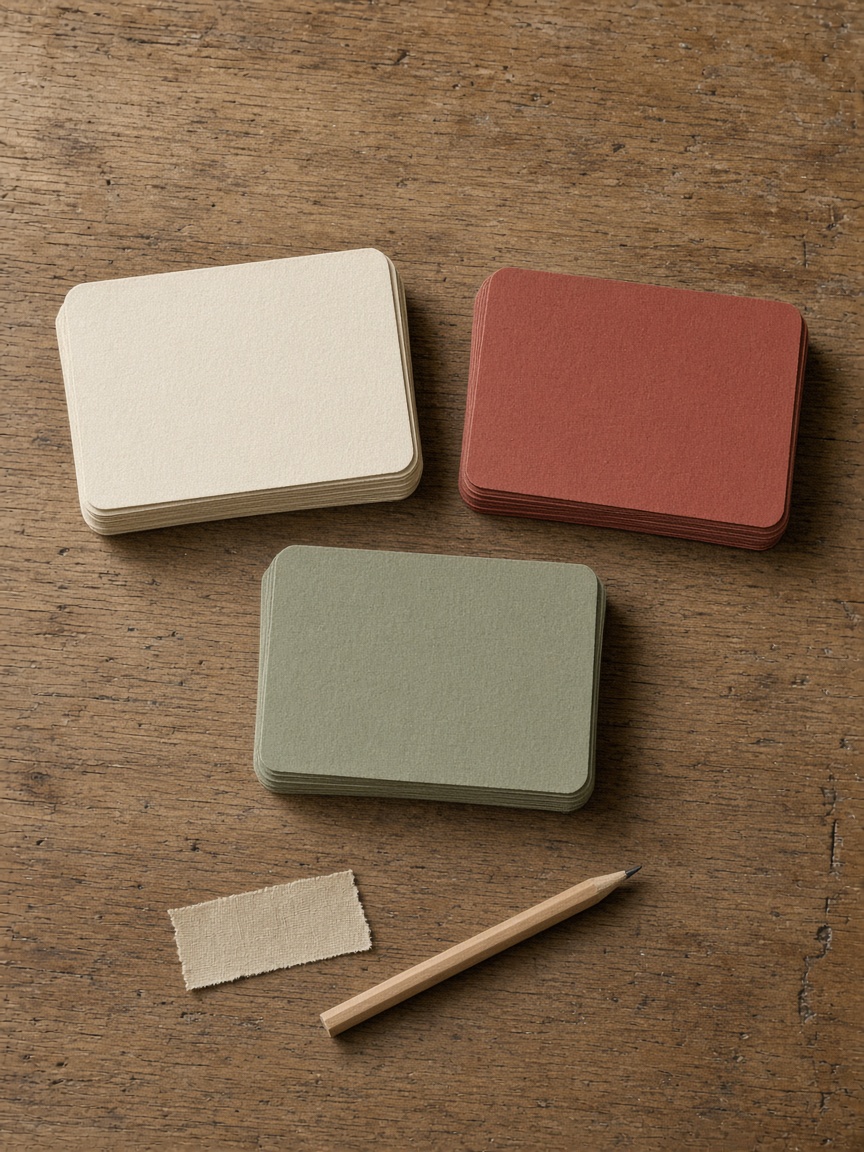
Three stacks of blank cards, one for each purchase-price case.

A second cold room in Botanica

The importer sells dry goods to shops around the market and to a few buyers who drive in from the districts. The loan meeting was about a second cold room, not about a new company. The first room already exists. The banker had been told a story. What was missing was a sheet in which the electricity for the compressors, the extra stock, and the same buyers’ payment delay could sit inside one month.

We started from twelve months of purchase invoices. Base is the price on the last invoice, freight included, converted that day. Tight is that price if the leu moves by the amount the owner named in the brief, and if the largest buyer pays 18 days later than usual. Stretch is the supplier’s prepayment clause, already in the contract, switched on for the months the new room is being filled.

The document is 28 pages. It says who would sign a personal guarantee, what happens to stock if a northern buyer pays late, and why the second room is not a copy of the first. The first was built when the rent was lower and the family was in the shop every morning. The deck is 11 slides because the meeting is an hour, and the argument belongs in the workbook.

Twenty-three working days from the morning the invoices arrived. The files were a PDF of the plan, an XLSX workbook, and a PDF of the deck. There was no A0 on the wall: the meeting was at the bank. The owner printed a paper set after the mail arrived.
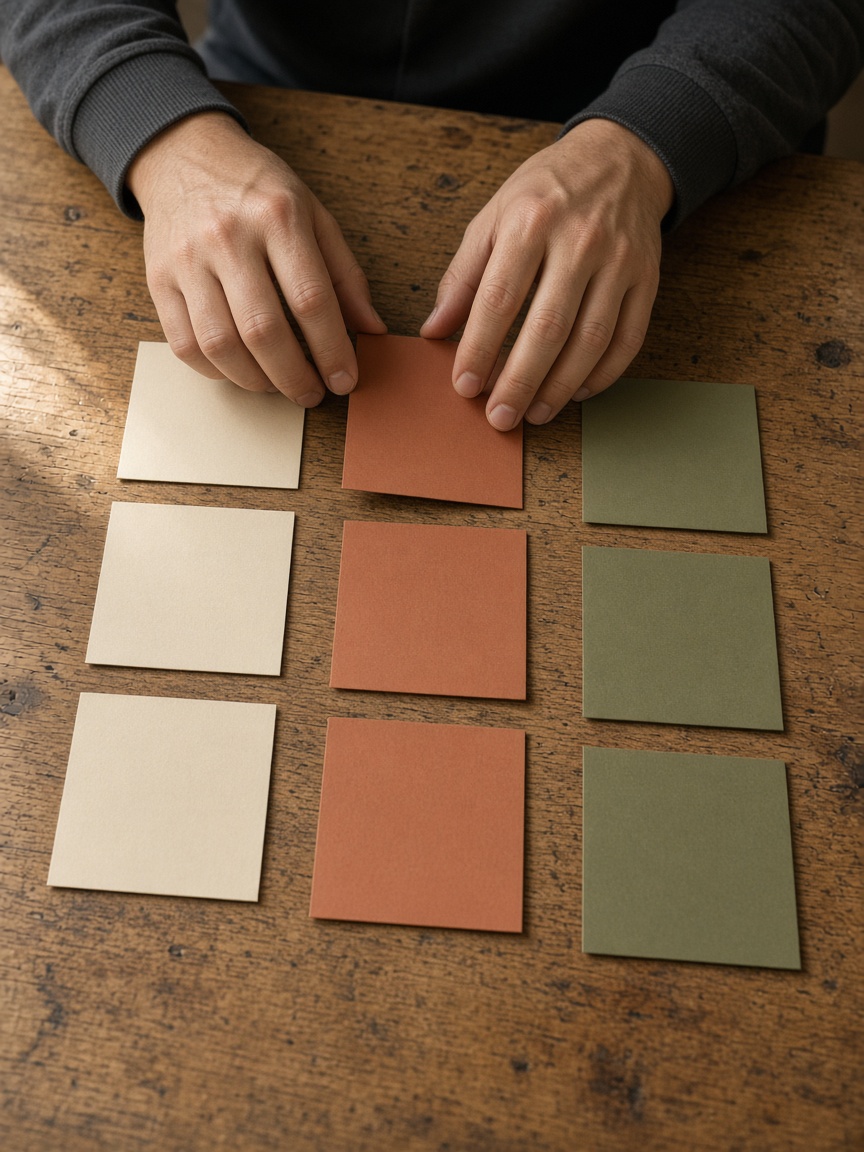

Hands arranging blank cards into columns on the hall table.

Lease or buy, off Strada Columna

The practice wants to leave its rooms on Strada Columna. The question was lease or buy at the next address, two streets over, with one extra chair and a steriliser that does not fit the drawing of the current rooms. There is no new name and no new list of treatments. There is a rent, a purchase price, a fit-out, and a year in which both dentists cannot be in both places.

The note is 14 pages, shorter than a full plan, because the decision is binary and the people in the room already know the practice. The workbook carries the rent, the loan on a purchase, the fit-out as its own line, and the month in which revenue dips while a chair is moved. Base keeps the current patient week. Tight lets the dip last 11 weeks rather than 6. Stretch is not “more patients”. It is a rent-free fit-out month already written into the draft lease.

We did not tell them to buy. The files show the month the cash is thinnest on each path. Nineteen working days. They came to the hall once, on a Thursday, and the A0 of the two paths stayed on the wall that afternoon. The other sessions were calls from Room Linia, ninety minutes at a time. They left with the PDF note, the workbook, and the plotted sheet folded into a tube.

A laptop with a soft model grid, open by the window above the street.

Retainers invoiced into Iași

Six people in Râșcani sell a clinic record tool to practices in Iași and, on two contracts, to a practice in Bucharest. Invoices go out in EUR. Wages are paid in lei. The question for the sheet was not whether the software works. It was whether a retainer can be priced so that a late clinic, and a leu that moves, do not empty the month the wages are paid.

This job was a model and a four-page note. The note explains the retainer, the hours that sit outside it, and the one engineer whose wage is the largest single cell. Base uses the last retainer they actually signed. Tight delays the largest clinic by the 20 days that clinic has already taken once. Stretch uses a price they have already offered a second clinic, not a price they would like to charge.

Eleven working days. No hall day. Two calls in Room Sfatul. They received an XLSX and a short PDF. A deck was not part of the job. If a partner later wants slides, that is another brief, with its own date and its own fee. The workbook is built so those slides, if they happen, have to quote the same cells.

Eighteen seats near Mileștii Mici

The cellar is near Mileștii Mici. The family wants 18 seats and a small kitchen, enough for a tasting that does not pretend to be a restaurant. The plan had to carry the build cost, the months with no seats, the wage of one cook, and the bottles that leave at a tasting price rather than a trade price.

Full pack, 23 working days: document, workbook, and a deck of 12 slides. One hall day, a Thursday, with three of the family. The A0 showed the build months as a strip and the first year of service underneath. Base is the tasting price they have already charged at the cellar door. Tight is that price with a quieter winter, taken from the visitor counts in their own notebook rather than from a tourism average. Stretch is a midweek group a guide has already offered, which they have not yet accepted.

The kitchen is costed as a service to the table, not as a second business with its own dream. We wrote the plan in Romanian because the lender meeting is in Romanian, and the workbook headers match. Two pages at the back gloss the same lines in English for a cousin who reads the numbers from Bucharest. They left with the PDF, the XLSX, the slides, and the plotted sheet.

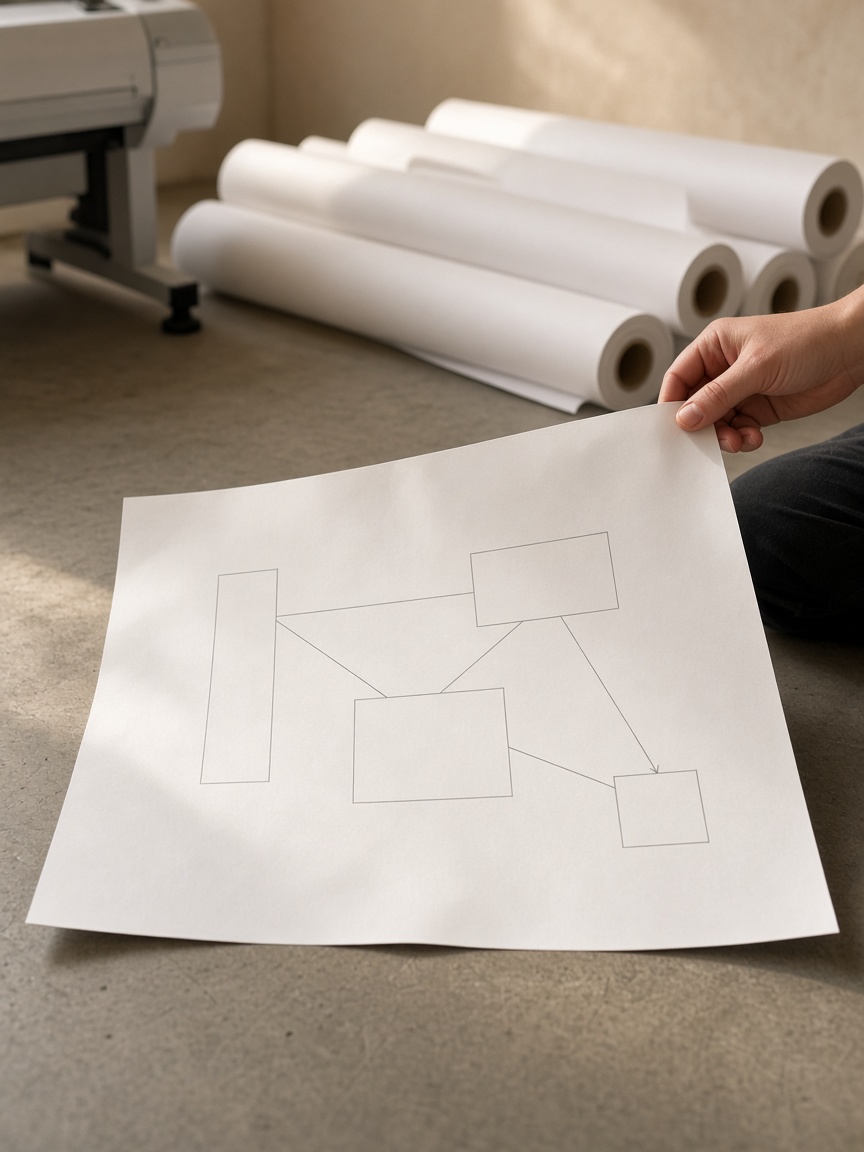
A large plotted diagram of blank boxes, the kind pinned for a hall day.

Send the meeting, not a slogan

Say what the plan has to support and when the room meets. The reply quotes a fee and a number of working days before we open a workbook.